Our Projects

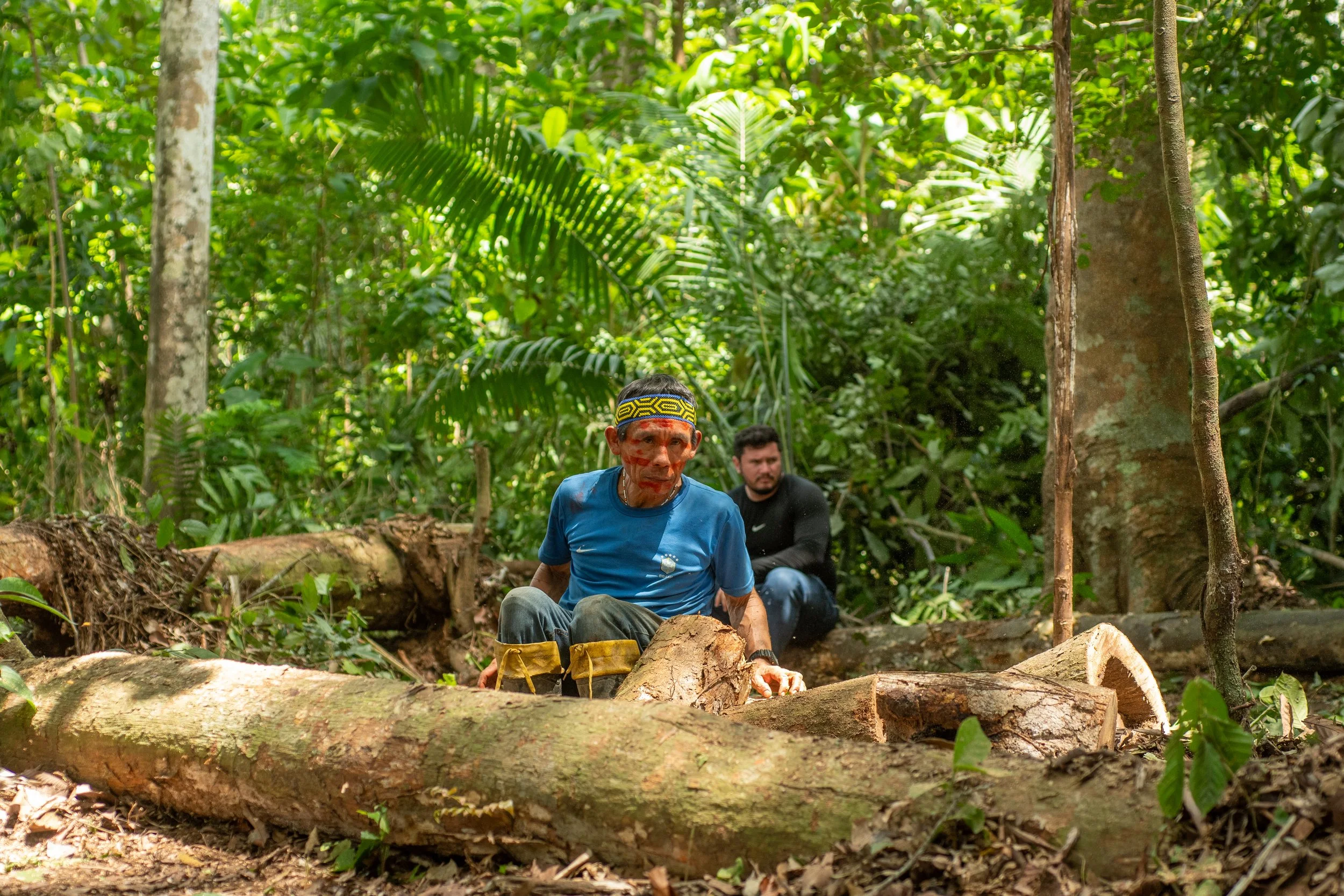
Huni Kuin — Huwa Karu Institute and Association Huwa Karu Yuxibu (Acre, Brazil)
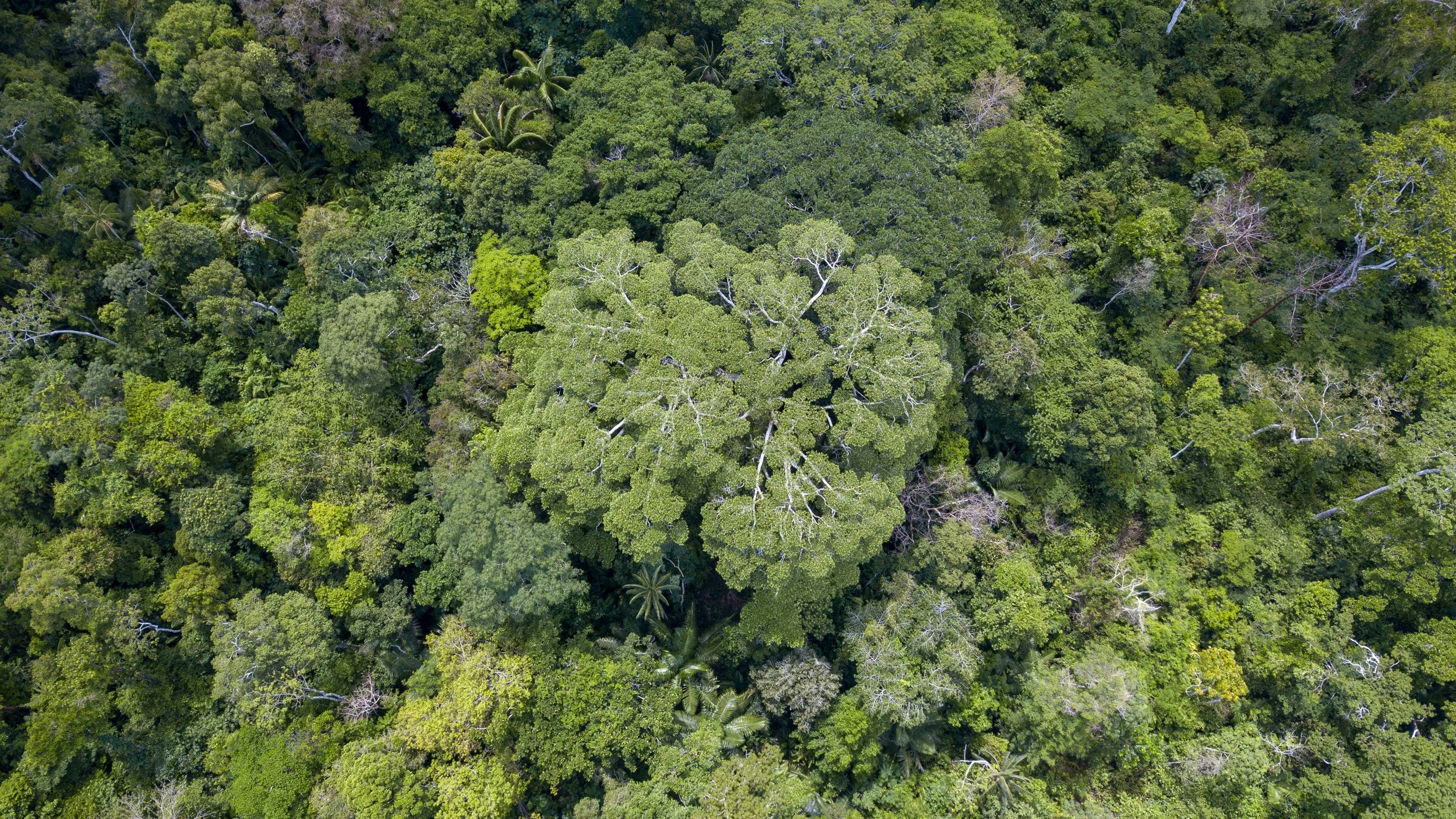
Indigenous-led reserve (2,450 ha) with an educational HQ of 11 hectares involving agroforestry, youth leadership training, spiritual practices, Huni Kuin ethnomedicine, ecological monitoring and community governance models. Led by chief Mapu Huni Kuin and his tribe & teams.
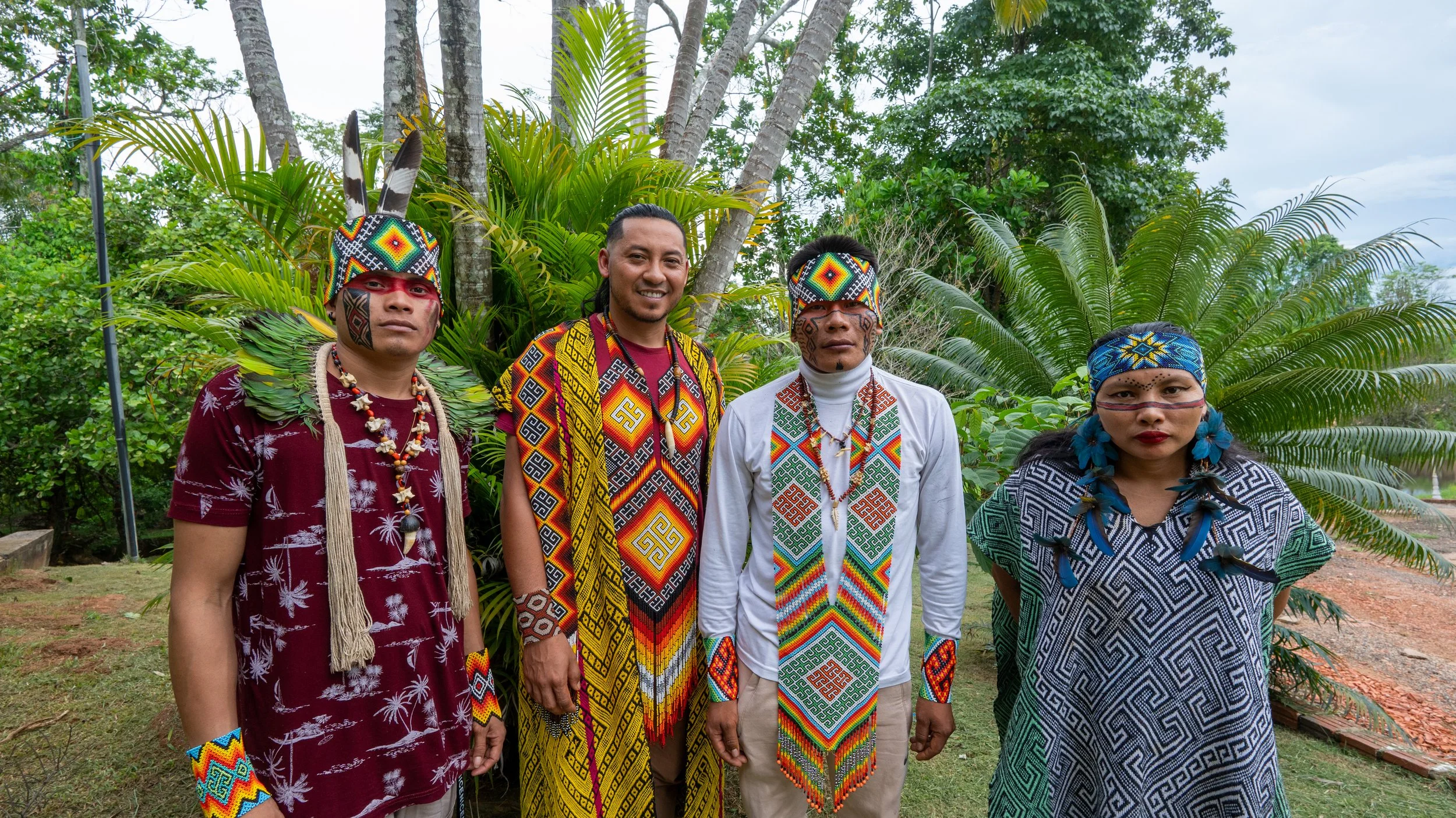
Shipibo-Konibo - Oni Nete Institute (Ucayali River, Amazon, Peru)
Local traditional center led by don Mateo Arevalo Maynas and family, dedicated to Intercultural education, Traditional dieta processes, shipibo rituals, ethnobotanical reserves, biocultural restoration, artistic and symbolic legacies, and training with recognised shipibo elders
Céu do Mapiá & Colónia 5000 (Main Santo Daime Communities)
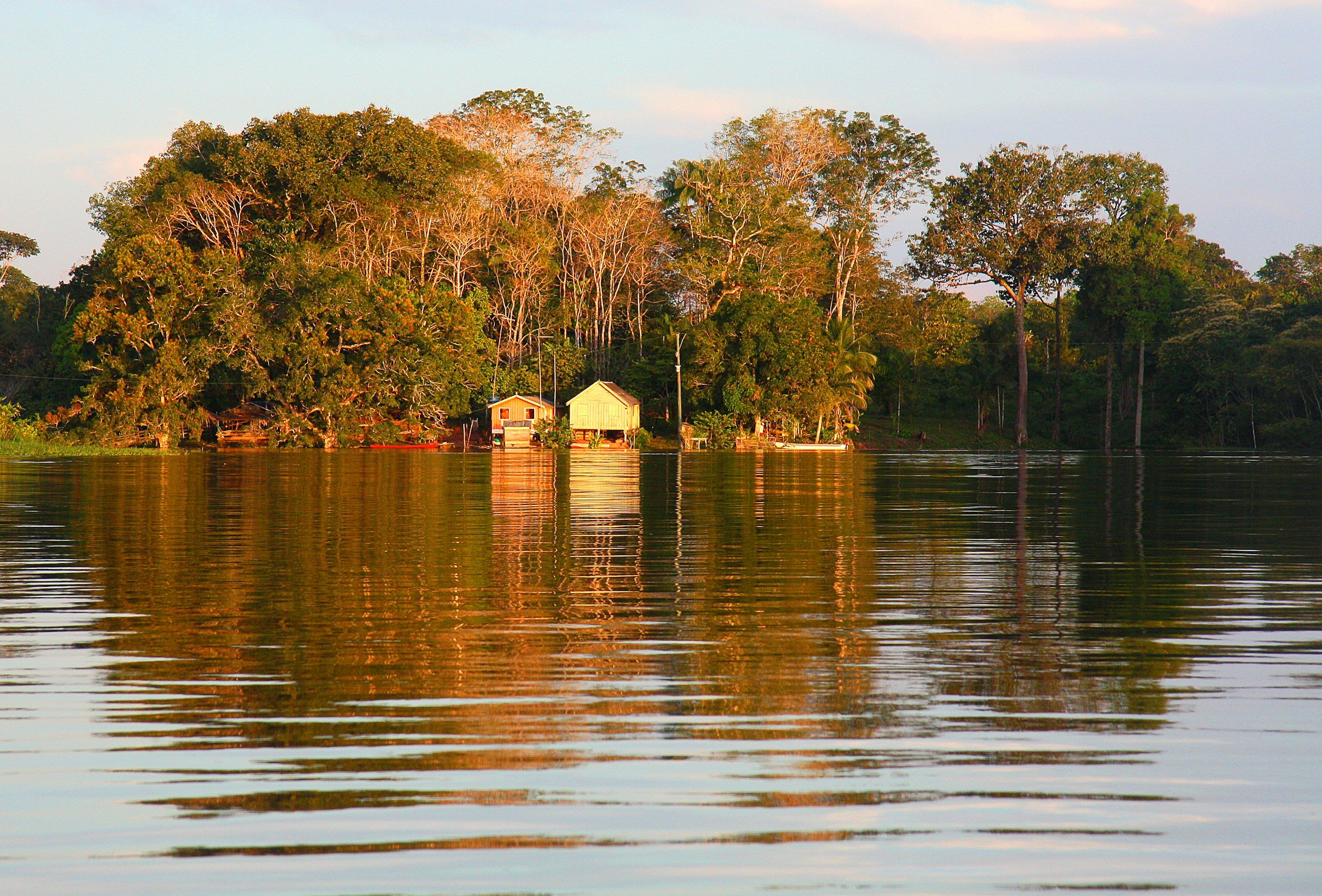
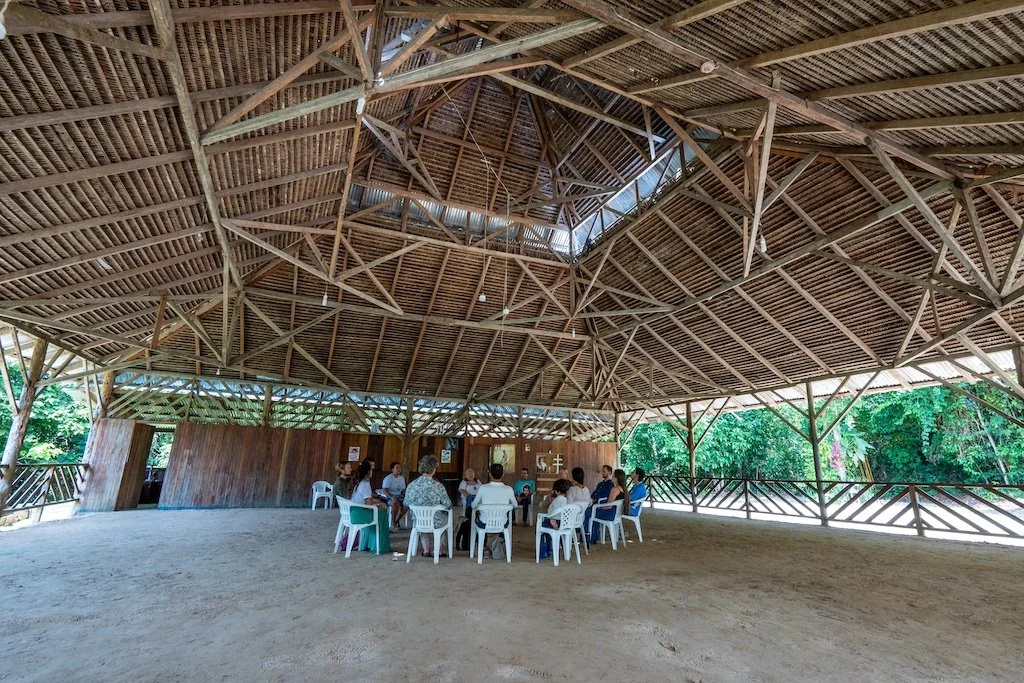
Intercultural training programs and visits, biocultural expeditions, Ecohealth initiatives with local institutions, sites for the Multifunctional Clinic Project, community health support, Sustainable Ethnobotanicals Research Programme (SERP) and initial Ethnobiomedical studies, syntropic agroforestry development and ethnobotanical reserves.
SERP seeks to combine ancestral wisdom with recent scientific knowledge to support indigenous populations and local communities in sustainably producing key medicinal and superfood plants upon agroforestry standards and conducting analysis, with its initial phase involving the planting of medicinal and food gardens, improving communal facilities, and establishing local partnerships in between traditional communities and avant-garde academics.
Federal University of Acre (UFAC, from 2027)
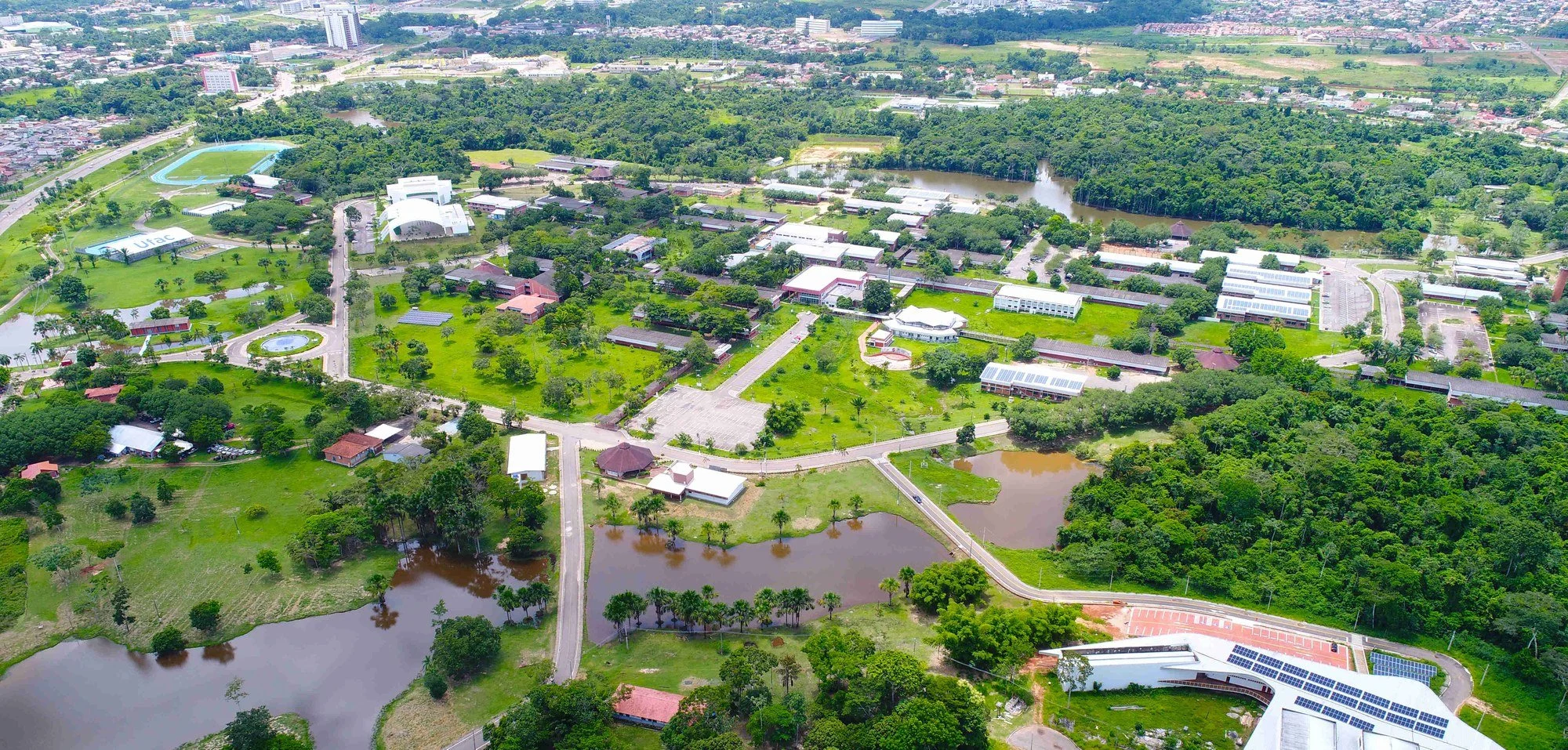
Planning the coming joint research in biocultural restoration and ethnobiomedicine safety intercultural protocols and the future International Museum of Ayahuasca project through multiple partnerships being established at bioregional scale. Led by UFAC and local organizations representatives.
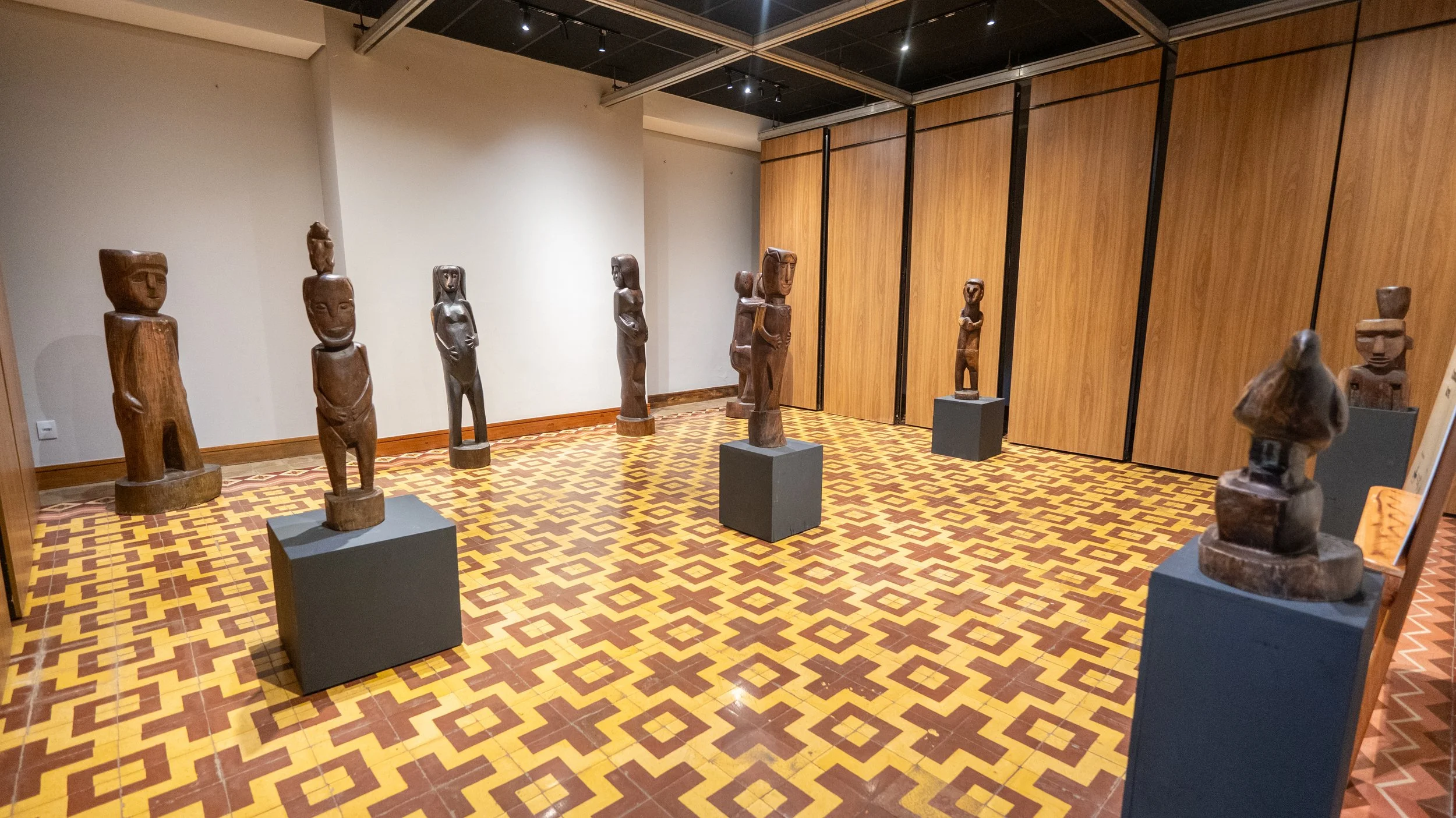
Casa das Culturas — Rio Branco City
An intercultural and educational hub for amazonian art & bioculture exhibitions, concerts, workshops, training, gatherings and research activity; A Ponte’s primary urban base and multimedia productions HQ, in synergy with indigenous and local communities. Led by Mapu Huni Kuin, his tribe and the Huwa Karu Institute team.
Located in Rio Branco, the capital of Acre and a historic port city that serves as a gateway to the Amazon bioregion, the House of Cultures (Casa das Culturas) is a sanctuary for Indigenous Peoples, Local Communities (IPLC), and urban youth. It offers educational intercultural programs, and a space to celebrate and preserve their heritage. This centre hosts workshops on traditional arts, music, healing practices, rituals, orientation support, and environmental stewardship. It aims to become a creative hub and a point of entry and exit for local and international visitors to and from the Amazon Rainforest.
Ethnobiomedicine
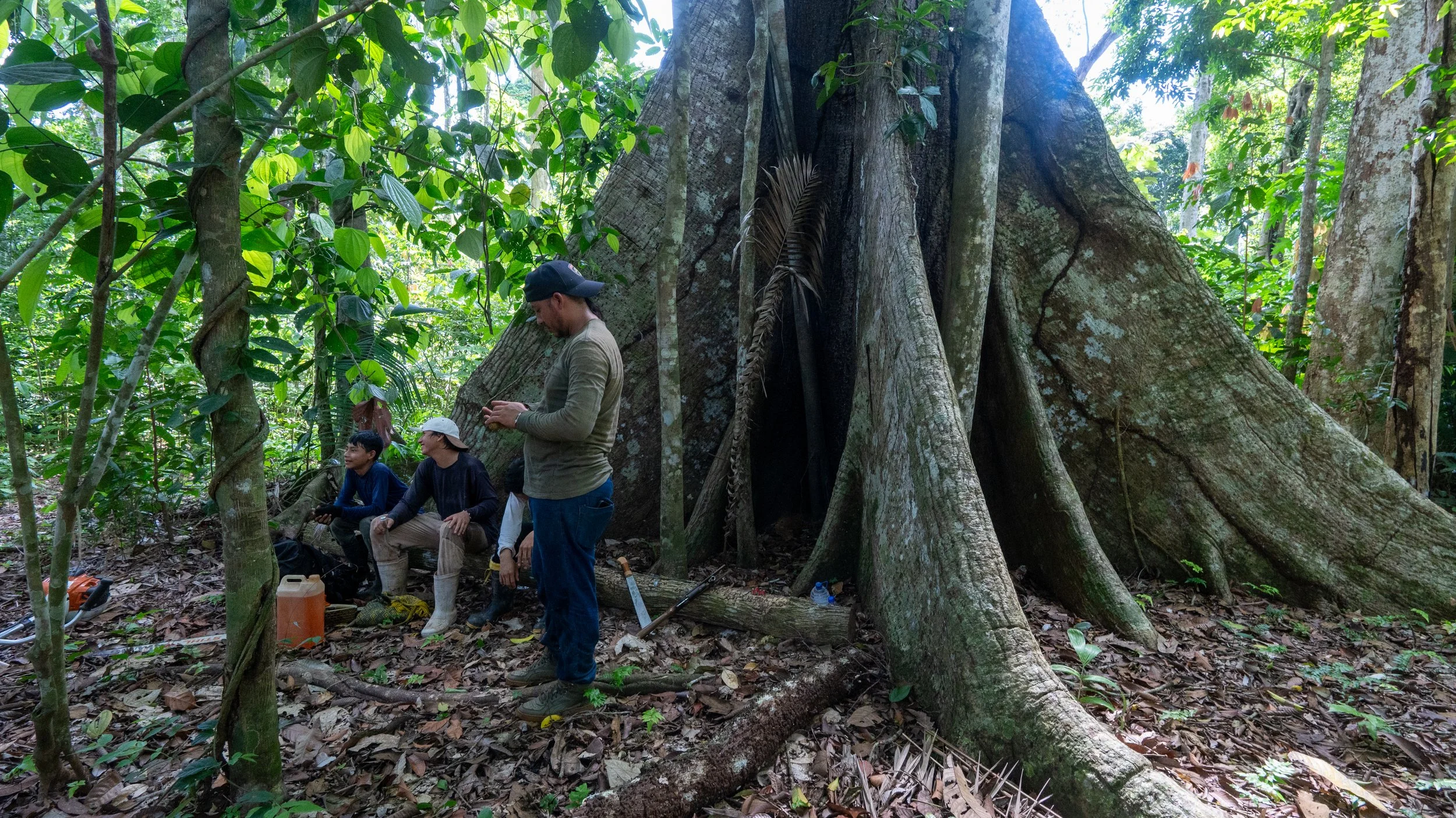
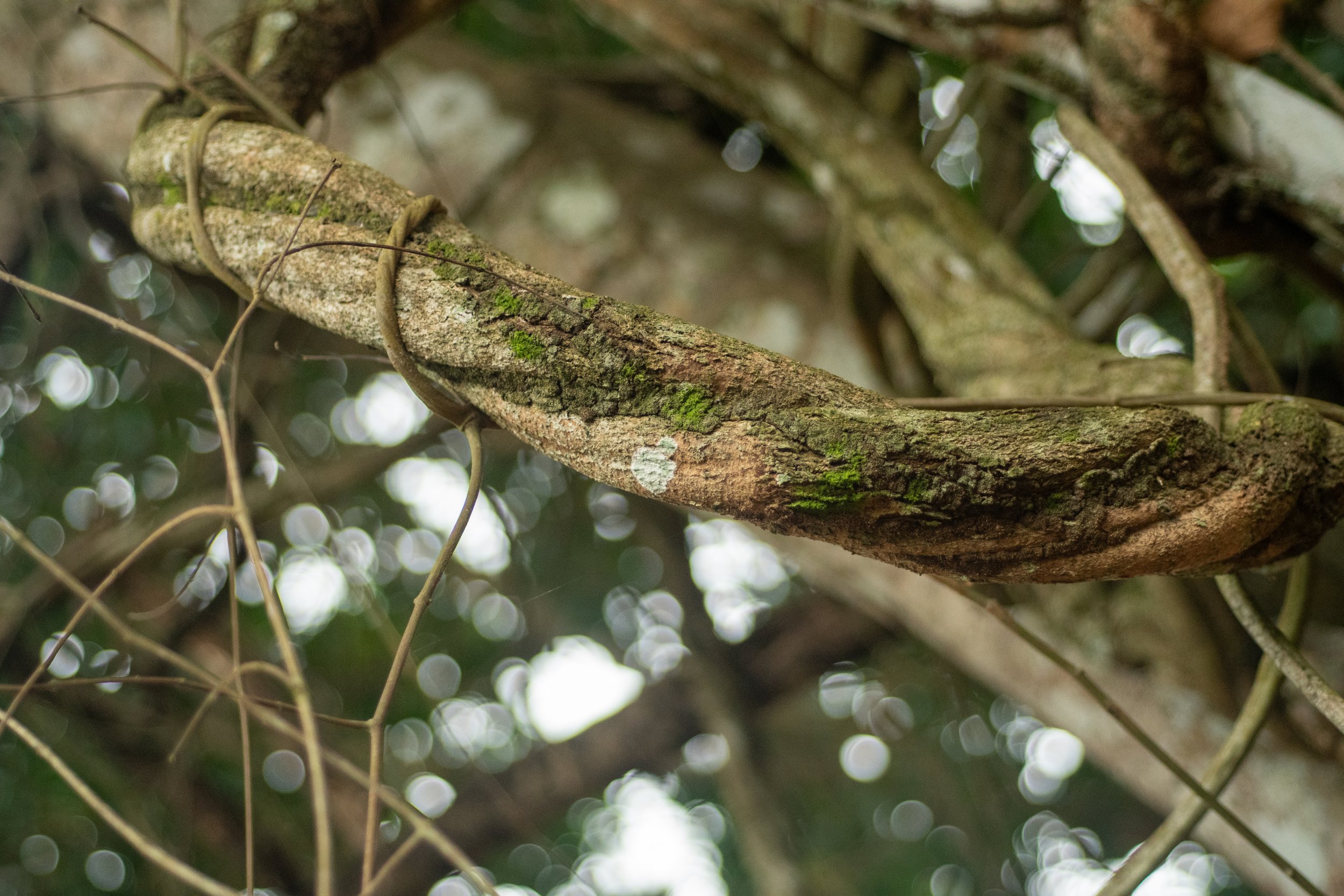
Ethnobiomedicine is an emerging multidisciplinary field that bridges ancestral wisdom with the new paradigms of science through regenerative action. It unites traditional knowledge systems and modern biomedical sciences, integrating disciplines such as ethnobiology, botany, pharmacology, and neuropsychopharmacology to form a holistic approach to health research and healing.
By combining qualitative insights with quantitative scientific methods, ethnobiomedicine explores the medicinal and psychoactive properties of traditional “teacher plants,” while advancing ecological integrity and social well-being. This pioneering field seeks to cultivate harmony between humans and the biosphere, fostering community healing and regenerative practices that strengthen the relationship between people, nature, and science.