Explore our upcoming dates below

Expedition Dates: Oct–Nov 2026
Festival Celebration: Dec 2026–Jan 2027
Festival Celebration: Jun-Jul 2027
Rio Branco and Upper Purus River
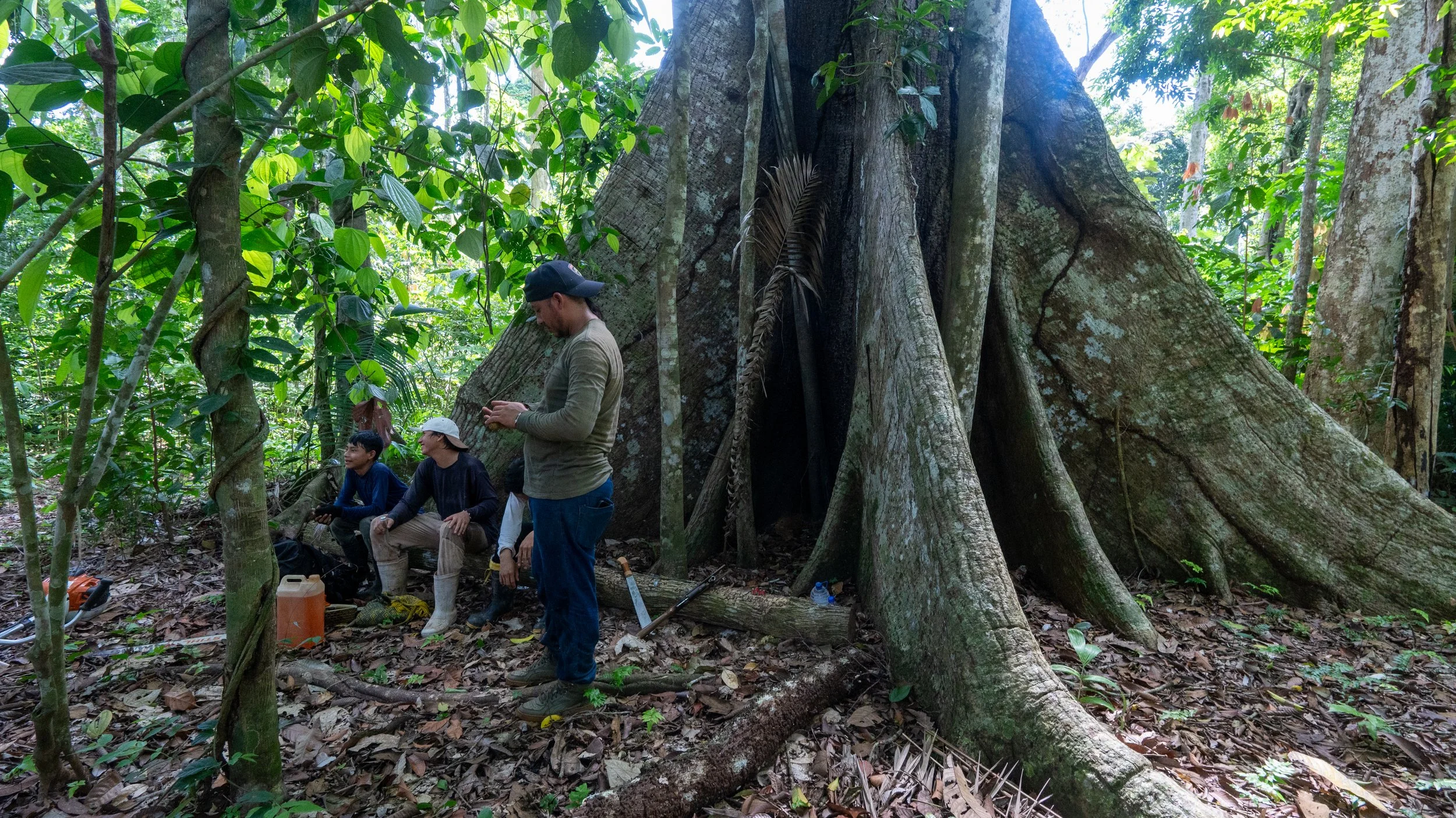
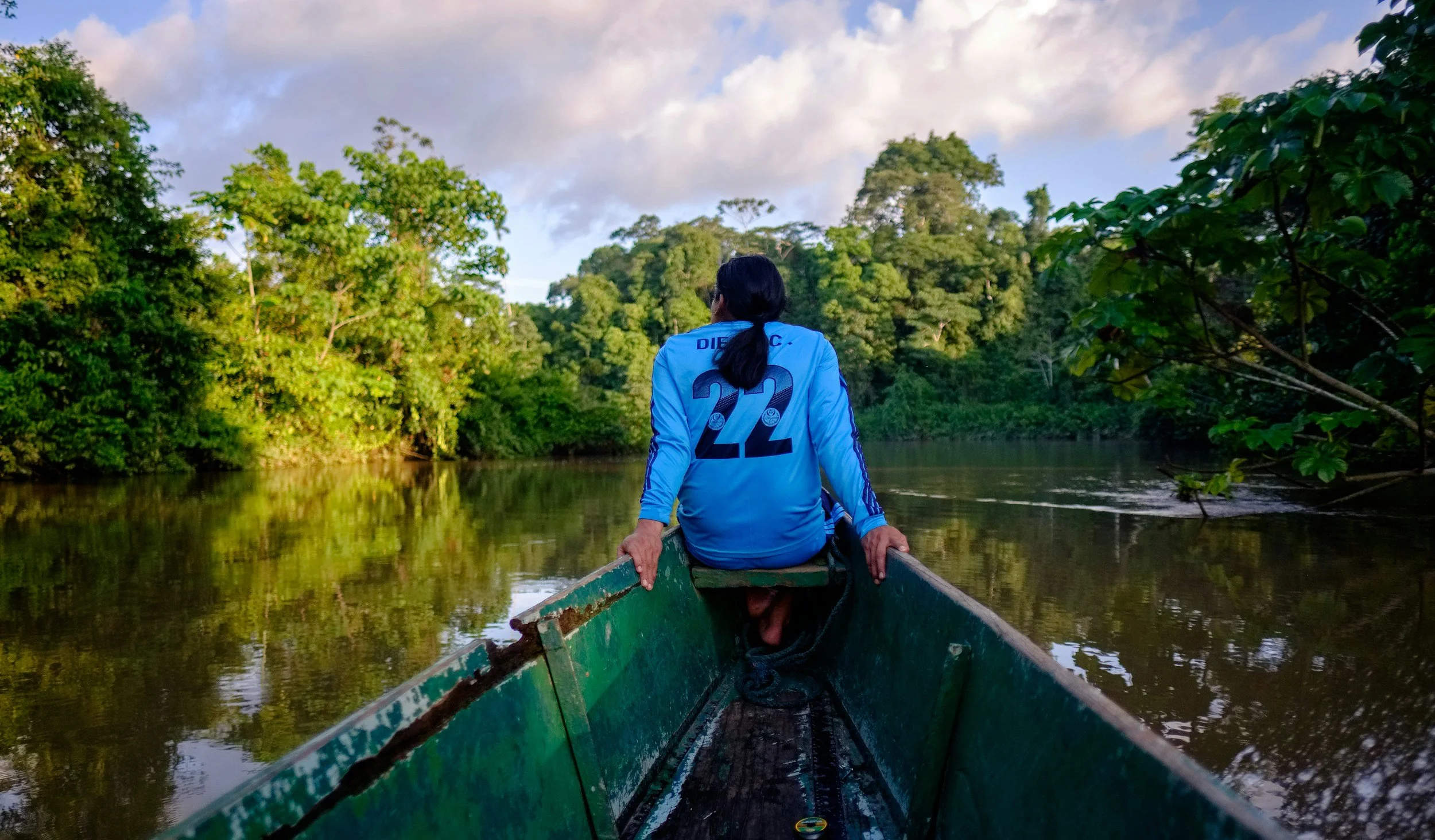
Our expeditions are immersive, small-group journeys through the Rio Branco bioregion of Acre, Brazil, designed for people who want to understand the Amazon from within, not as spectators. Participants move between urban, riverine, forest and community contexts, visiting all of A Ponte’s core partner sites: Casa das Culturas (Rio Branco), Huni Kuin territory (Huwa Karu Yuxibu and Samahuma), Colônia 5000, Céu do Mapiá, and—in selected periods—Shipibo and intercultural gatherings hosted in Acre. These are active expeditions, not retreats. You travel, walk, listen, help, learn, and adapt. Each location reveals a different layer of Amazonian life: governance, medicine & ceremony, ecology, history and contemporary challenges.
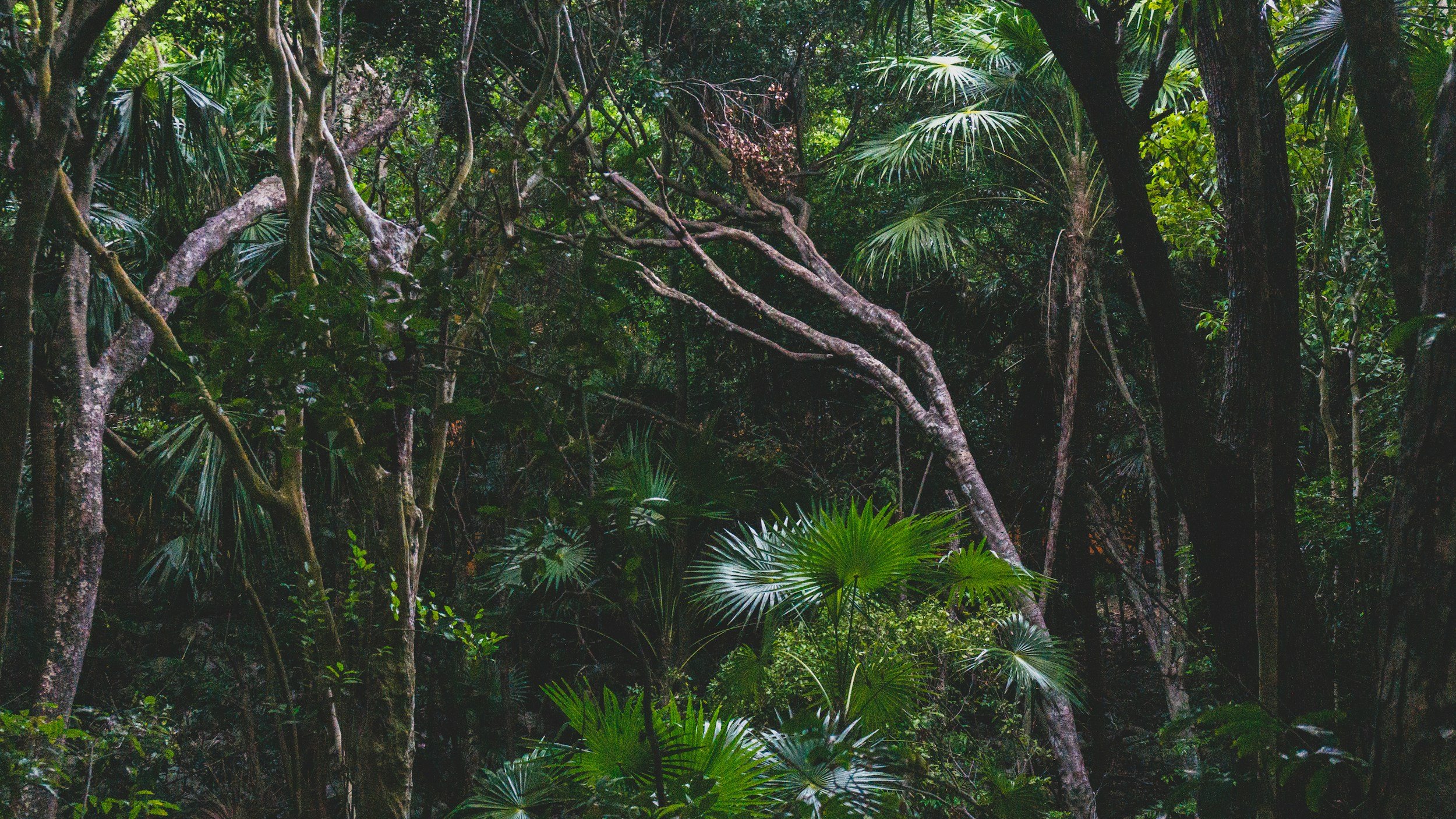
Ceremonies in the Amazon are not activities created for tourism, but living spiritual traditions practiced by Indigenous and traditional forest communities. These rituals are held to seek guidance, restore balance, and maintain harmony between people, the forest, and the unseen dimensions of life.
Central to these traditions are the “teacher plants,” regarded by many communities as sacred beings and sources of knowledge. Their ceremonial use forms part of the cultural and spiritual heritage of the Brazilian Amazon, recognised and protected through community traditions, Indigenous rights frameworks, and Brazilian legal provisions governing traditional practices.
Participation in a ceremony is therefore not a service or product, but a respectful invitation into an existing biocultural practice conducted under the guidance of experienced local healers and according to established protocols.
Our role is simply to facilitate respectful cultural exchange and learning, ensuring that the traditions, autonomy, and knowledge of the local communities who hold these practices remain honoured and protected.
Expedition dates
October - November 2026
Join our ethnobiomedical field expeditions into sacred landscapes, connecting ancestral wisdom, biocultural restoration and integrative wellbeing. Curated with indigenous elders and guardians of living territories.
After a great deal of reflection, we have come to the conclusion that this gathering should take place where it truly belongs: in the heart of the Amazon. We feel that the time has come to invite those who resonate with this path to return to the source itself.
Option A: Huni Kuin Dieta
09 October - 19 October 2026 (11 Days)
• Samahuma •
This 11 day experience offers a profound cultural immersion into the traditions and customs of the Huni Kuin tribe. Participants will engage deeply with indigenous life, with opportunities to explore traditional healing practices, connect with sacred landscapes, learn from ancestral wisdom, and take part in biocultural restoration efforts.
Samahuma is far more than simply a retreat venue. It is a long-term collaborative initiative developed alongside Huni Kuin leaders to protect their territory, strengthen the transmission of traditional knowledge, and create a model of conservation, education and intercultural exchange founded on reciprocity and shared benefit.
Option B: Santo Daime Dieta
21 October - 09 November (19 Days)
• Colônia 5000 • Céu do Mapiá •
This second stage offers a rare opportunity to experience another spiritual and biocultural lineage that inspires this project: the the Amazonian tradition of Santo Daime.
Recommended Option C: Full Cycle
09 October - 09 November (31 Days)
• Samahuma • Colônia 5000 • Céu do Mapiá •
Those who feel called to a deeper immersion may complete the full cycle (Huni Kuin & Santo Daime Dietas), guided by respected elders and facilitators from the community itself.
This is an invitation to experience something far more authentic and transformative: to walk the same forest paths where these traditions were born, to share daily life with their communities, and to understand these bodies of knowledge from within the territory, culture and way of life that continue to sustain them.
For those able to commit, the full cycle offers the most coherent experience, capturing:
All key communities
Seasonal gatherings
Intercultural convergence moments
Full preparation, immersion and integration arc
These expeditions are for people who are:
Curious, grounded and adaptable
Comfortable with uncertainty and non-touristic conditions
Interested in biocultural regeneration, not consumption
Willing to follow guidance, boundaries and local protocols
They are not suitable for luxury travel, passive retreats or guaranteed personal outcomes.

Festival dates
December 2026 - January 2027
Celebrate biocultural festivals alongside the Huni Kuin and Santo Daime communities, honoring Amazonian traditions, deepening human and ecological connections, and experiencing the living medicine of the forest.
Option A: Brief
04 December - 16 December 2026 (12 Days)
• Samahuma • Huwa Karu Yuxibu • Colônia 5000 • Céu do Mapiá •
This shorter journey offers an accessible introduction to the biocultural festival, allowing participants to engage with Huni Kuin and Santo Daime traditions, experience Amazonian culture, and connect meaningfully with the forest in a focused timeframe. It is ideal for those seeking a powerful but time-conscious experience, with a balance of cultural learning, reflection, and connection.
Option B: Intermediate
04 December - 22 December (19 Days)
• Samahuma • Huwa Karu Yuxibu • Colônia 5000 • Céu do Mapiá •
This option provides a deeper immersion, giving more time to build relationships, explore traditional practices, and experience the festival at a richer pace. It allows for a more spacious and integrated journey, creating room to absorb teachings, participate more fully, and deepen one’s connection to the community and the land.
Recommended Option C: Full Cycle
04 December - 07 January (35 Days)
• Samahuma • Huwa Karu Yuxibu • Colônia 5000 • Céu do Mapiá •
The full cycle offers the most comprehensive experience, with extended time for cultural integration, ceremonial participation, and a profound connection to Huni Kuin and Santo Daime traditions, the forest, and the living medicine of the Amazon. This longer journey is suited to those seeking a transformative immersion, with the depth and continuity needed to experience the festival’s rhythms, wisdom, and restorative power in full.
For those able to commit, the full cycle offers the most coherent experience, capturing:
All key communities
Seasonal gatherings
Intercultural convergence moments
Full preparation, immersion and integration arc
These expeditions are for people who are:
Curious, grounded and adaptable
Comfortable with uncertainty and non-touristic conditions
Interested in biocultural regeneration, not consumption
Willing to follow guidance, boundaries and local protocols
They are not suitable for luxury travel, passive retreats or guaranteed personal outcomes.
Festival dates
June - July 2027
Celebrate biocultural festivals alongside the Huni Kuin and Santo Daime communities, honoring Amazonian traditions, deepening human and ecological connections, and experiencing the living medicine of the forest.
Option A: Brief
18 June - 30 July 2027 (12 Days)
• Colônia 5000 • Céu do Mapiá •
This shorter journey offers an accessible introduction to the biocultural festival, allowing participants to engage primarily with Santo Daime traditions but also experience Amazonian and Huni Kuin culture, and connect meaningfully with the forest in a focused timeframe. It is ideal for those seeking a powerful but time-conscious experience, with a balance of cultural learning, reflection, and connection.
Option B: Intermediate
18 June - 06 July 2027 (19 Days)
• Samahuma • Huwa Karu Yuxibu • Colônia 5000 • Céu do Mapiá •
This option provides a deeper immersion, giving more time to build relationships, explore Huni Kuin traditional practices, and experience the festival at a richer pace. It allows for a more spacious and integrated journey, creating room to absorb teachings, participate more fully, and deepen one’s connection to the community and the land.
Recommended Option C: Full Cycle
18 June - 19 July 2027 (32 Days)
• Samahuma • Huwa Karu Yuxibu • Colônia 5000 • Céu do Mapiá •
The full cycle offers the most comprehensive experience, with extended time for cultural integration, ceremonial participation, and a profound connection to Huni Kuin and Santo Daime traditions, the forest, and the living medicine of the Amazon. This longer journey is suited to those seeking a transformative immersion, with the depth and continuity needed to experience the festival’s rhythms, wisdom, and restorative power in full.
For those able to commit, the full cycle offers the most coherent experience, capturing:
All key communities
Seasonal gatherings
Intercultural convergence moments
Full preparation, immersion and integration arc
These expeditions are for people who are:
Curious, grounded and adaptable
Comfortable with uncertainty and non-touristic conditions
Interested in biocultural regeneration, not consumption
Willing to follow guidance, boundaries and local protocols
They are not suitable for luxury travel, passive retreats or guaranteed personal outcomes.
Arrival & Orientation: Rio Branco
The journey begins in Rio Branco, Acre’s capital and historic gateway to the forest. We gather at Casa das Culturas, our urban base, for orientation, preparation and contextual grounding. Here you meet the team, receive safety and cultural briefings, and are introduced to the wider biocultural landscape— Indigenous movements, universities, spiritual lineages and ecological initiatives active in the region.

Colônia 5000 & Céu do Mapiá
Santo Daime Communities In selected expedition windows, we continue deeper into the forest to Colônia 5000 and Céu do Mapiá, internationally recognised centres of the Santo Daime culture. Participants witness how spiritual practice, ecology, health, music, agriculture and social organisation interweave in a functioning forest society. Engagement occurs strictly by invitation and within clear ethical frameworks. Time here is slower, communal and inward-facing, with strong emphasis on respect, listening and integration. Intercultural
Return & Integration: Rio Branco
The expedition closes back in Rio Branco with integration sessions, contextual discussions, and optional participation in local cultural life. Participants leave with a grounded understanding of how Amazonian knowledge systems function today—socially, politically and ecologically.
Indigenous Territory: Huni Kuin Huwa Karu Yuxibu / Samahuma
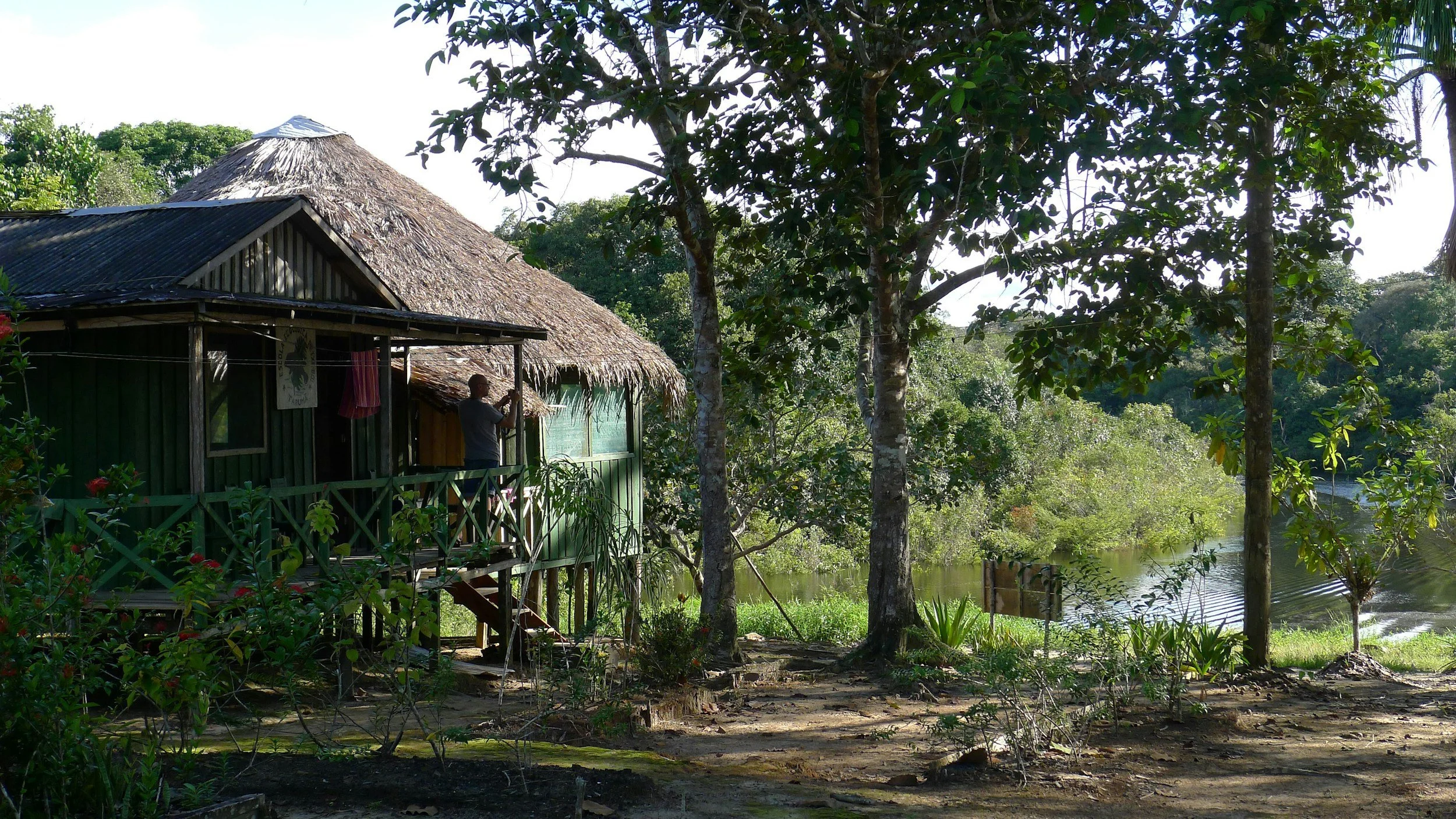
You travel by road or sometimes river to Huni Kuin land, where daily life integrates forest stewardship, agroforestry, ethnomedicine, education and governance. Time here includes forest walks, learning about medicinal plants and territorial protection, community meals, participation in daily rhythms, and intercultural dialogue led by elders and facilitators. This is not a performance setting — you are present as guests within an ongoing Indigenous-led process.
Exchanges & Visiting Elders
During peak periods (June–July), elders and representatives from Huni Kuin, Santo Daime and Shipibo lineage will be present simultaneously, creating rare intercultural moments of learning, dialogue and shared practice - a unique opportunity for us to participate and witness ancient traditions evolving in respectful collaboration between these communities.
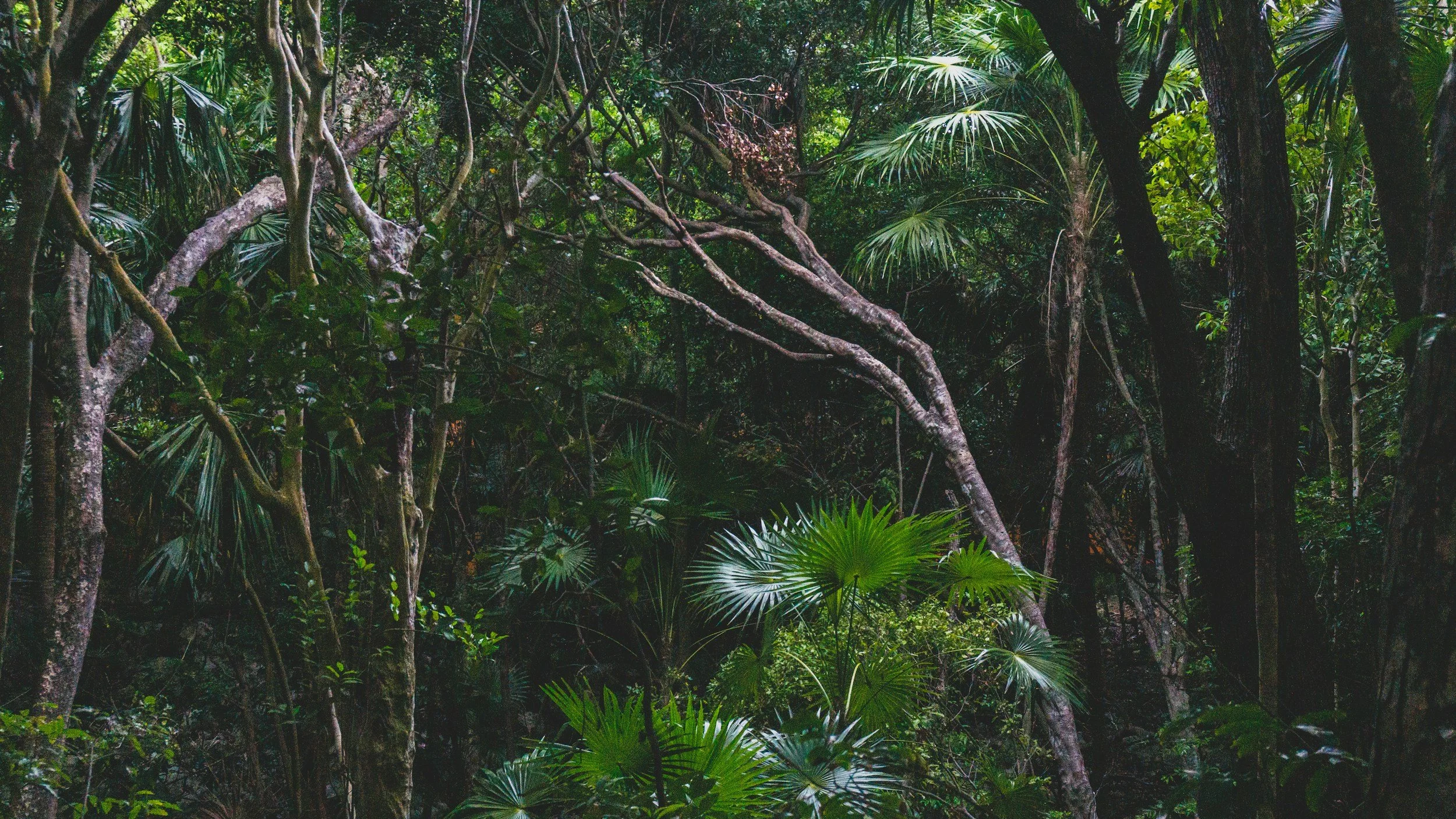
Context-rich learning journeys that offer low-impact, respectful engagement with Amazonian cultures and ecosystems. Participants learn directly from Indigenous hosts through forest walks, cultural activities and (where communities choose) ancestral plant-medicine practices.
Lear more about Our Experiences below
Intercultural Retreats:
Small-group, deeply contextual journeys with Indigenous Peoples and Local Communities in the Western Amazon bring together forest immersion, ethnobotany, agroforestry, everyday community life, and structured intercultural dialogue. We also take part in intercultural dialogues and learning exchanges happening between these communities. Participation in ceremonial or spiritual contexts is optional, invitation-based and protocol-bound, and never presented as a product or promise. These journeys are designed for learning, relationship-building and biocultural understanding—travelling as guests and partners, not tourists.
Ethnobiomedicine Expeditions:
2-3 week integrative health programmes for participants seeking a deeper, more structured process and medical oversight with traditional healing ceremonies, ecological education, and evidence-based frameworks for safety, preparation, and integration. These programmes prioritise coherence, containment and long term impact rather than a singular experience, and are offered only within clear ethical, medical and cultural parameters. For more information, see below.
Traditional Shipibo and Huni Kuin Dietas:
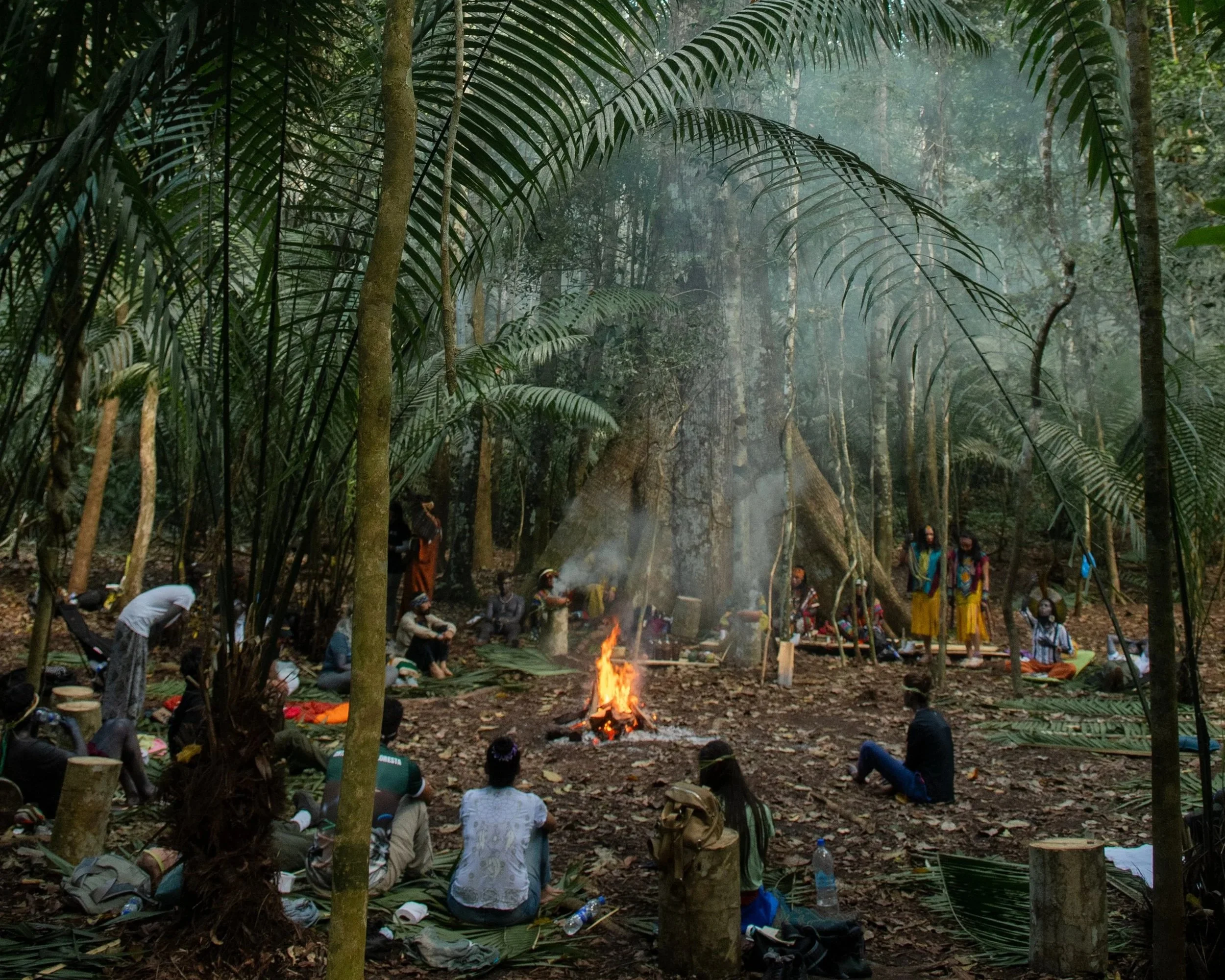
Intensive healing and learning journeys guided by recognised Shipibo and Huni Kuin healers and sages, rooted in rigorous dietary, ceremonial, and ethical protocols. Extended learning and healing processes guided by recognised Shipibo and Huni Kuin healers. Dietas are offered as lineage-based, relational processes, not interchangeable experiences. Participation requires prior screening, preparation and informed consent, and is limited to contexts where cultural authority, safety and continuity are ensured.
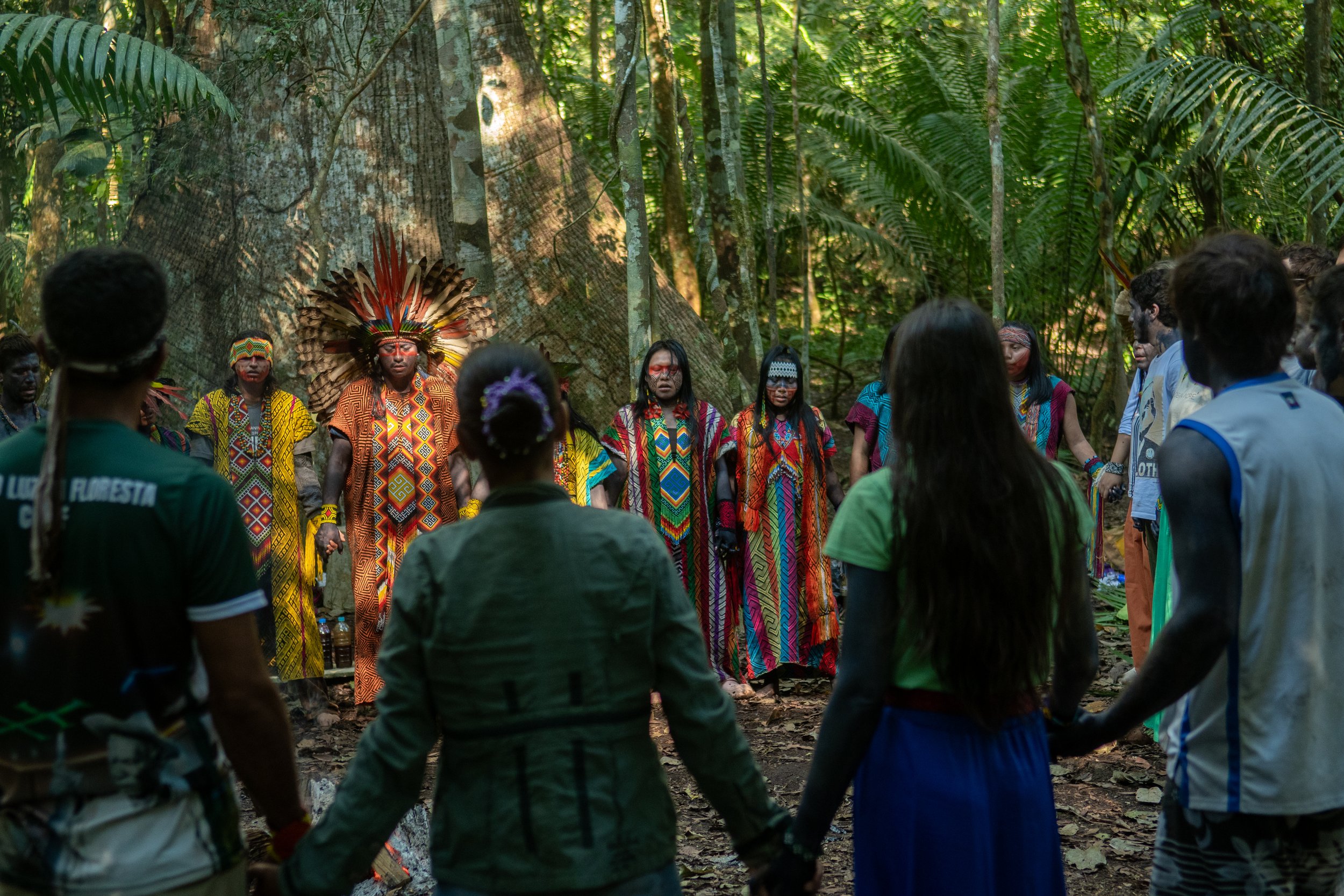
Biocultural Regeneration Projects:
Community-led programmes that renew forest and watershed systems while nurturing cultural continuity and living knowledge. Projects include native reforestation, seed networks, ethnobotanical reserves, agroforestry systems, medicinal and food gardens, and long-term territorial stewardship. All regeneration work is designed and governed in partnership with Indigenous and local communities, strengthening sovereignty, livelihoods and ecological resilience.
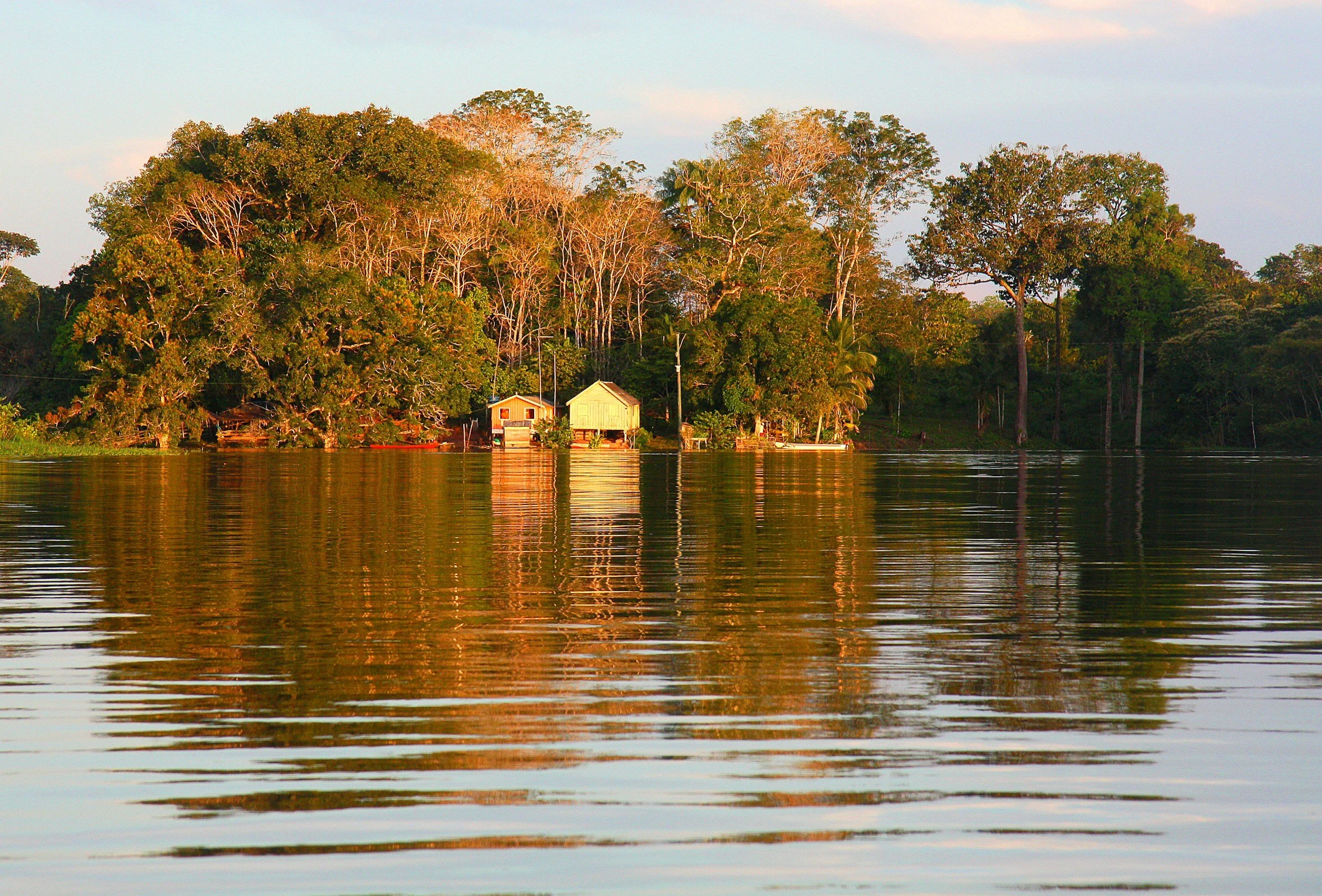
Research & Protocol Development:
International collaborative research initiatives bridging ancestral knowledge and contemporary science. This includes ethnobotanical documentation, phytochemical and ecological analysis, clinical safety and harm-reduction frameworks, and the development of intercultural research protocols aligned with the Nagoya Protocol and FPIC standards. Research is conducted with explicit consent, transparent benefit-sharing and long-term accountability
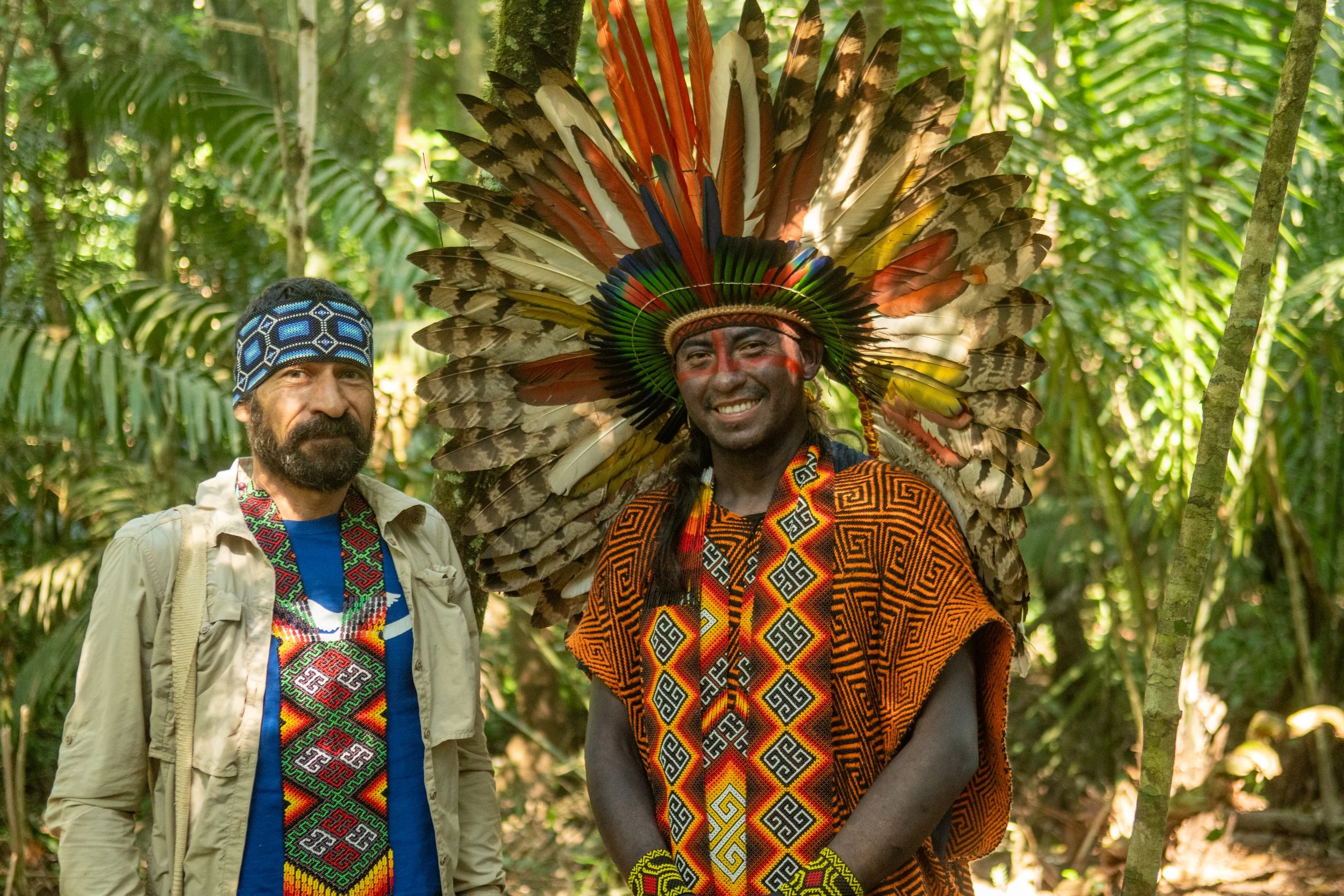
Professional Training:
Modular training pathways and certifications in Applied Ethnobiomedicine tailored for therapists, health professionals, researchers, and facilitators. Training emphasises ethical engagement, intercultural competence, safety protocols, ecological literacy and responsible translation between knowledge systems. These programmes are designed for practitioners who wish to work responsibly at the intersection of health, culture and ecology—without appropriation or simplification.