A PONTE
Bridging Ancestral Wisdom with the new paradigms of Science through Regenerative Action

Human, cultural and ecological health evolve together. We build bridges that help these relationships thrive.
A Ponte Ethnobiomedicine develops integrative health & training programmes, biocultural restoration initiatives and regenerative Amazon expeditions in close partnership with Indigenous and traditional local communities. Based in Rio Branco, Acre, Brazil, we are locally grounded and globally connected—working in alignment with the Nagoya Protocol and in deep respect for ancestral knowledge systems.
Regenerative & Intercultural Expeditions
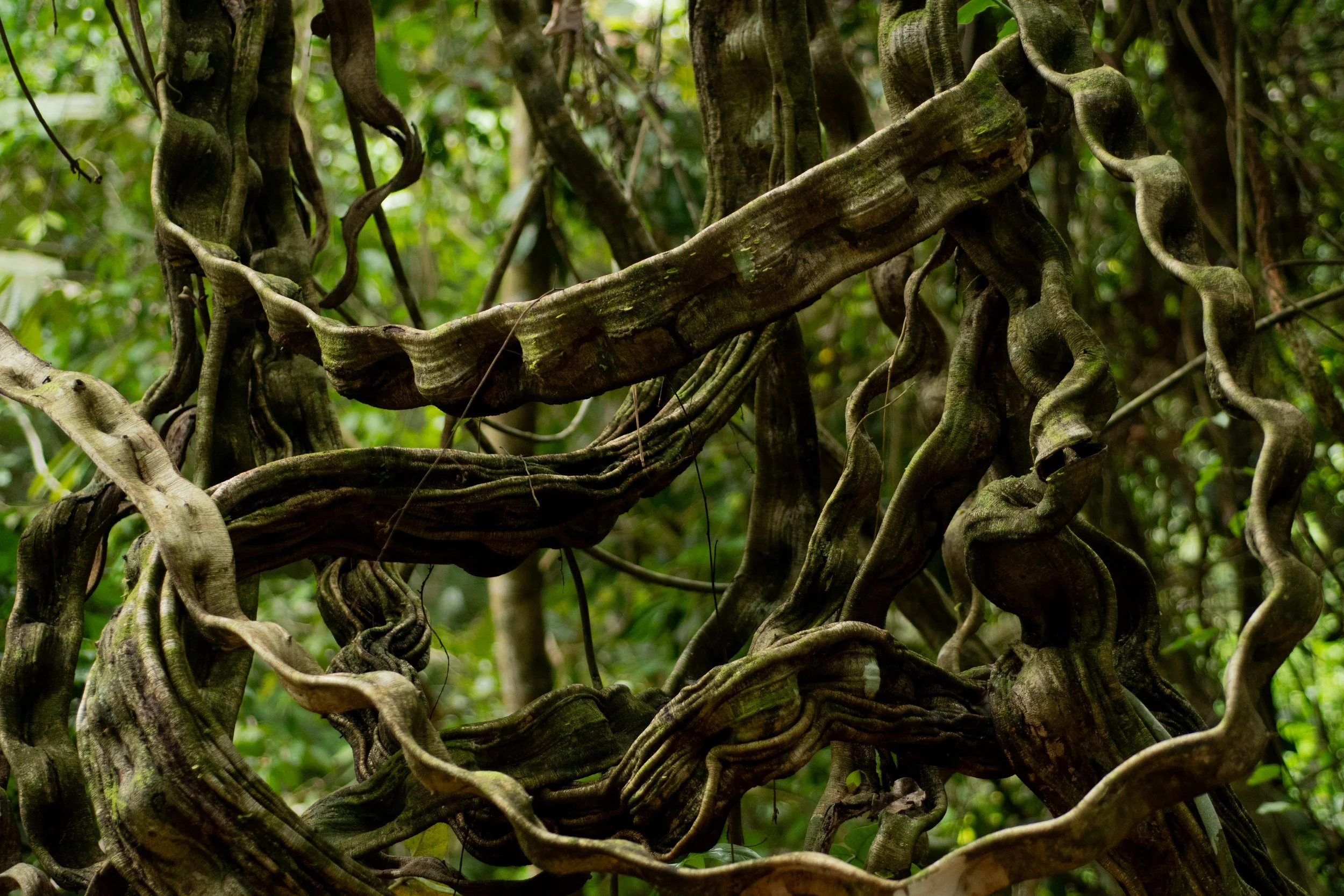
Context-rich learning journeys to the source of life: low-impact, respectful engagement with Amazonian cultures and ecosystems. Participants learn directly from key Indigenous and local communities hosts, through forest walks, intercultural activities, projects visits and (eventually and under traditional protocols) ancestral plant-medicine practices.
These journeys foster environmental awareness, community bioeconomies and cultural self-determination without commercialising sacred practices or promising therapeutic outcomes, just sharing reciprocally the original contexts in the best possible ways.
We ensure:
local protocols and ontologies are respected
Local elders as facilitators with intercultural mediators
full preparation and integration guidance
clear safety guidelines
Consent, options, monitoring and boundaries at every step
Our Amazonian Locations
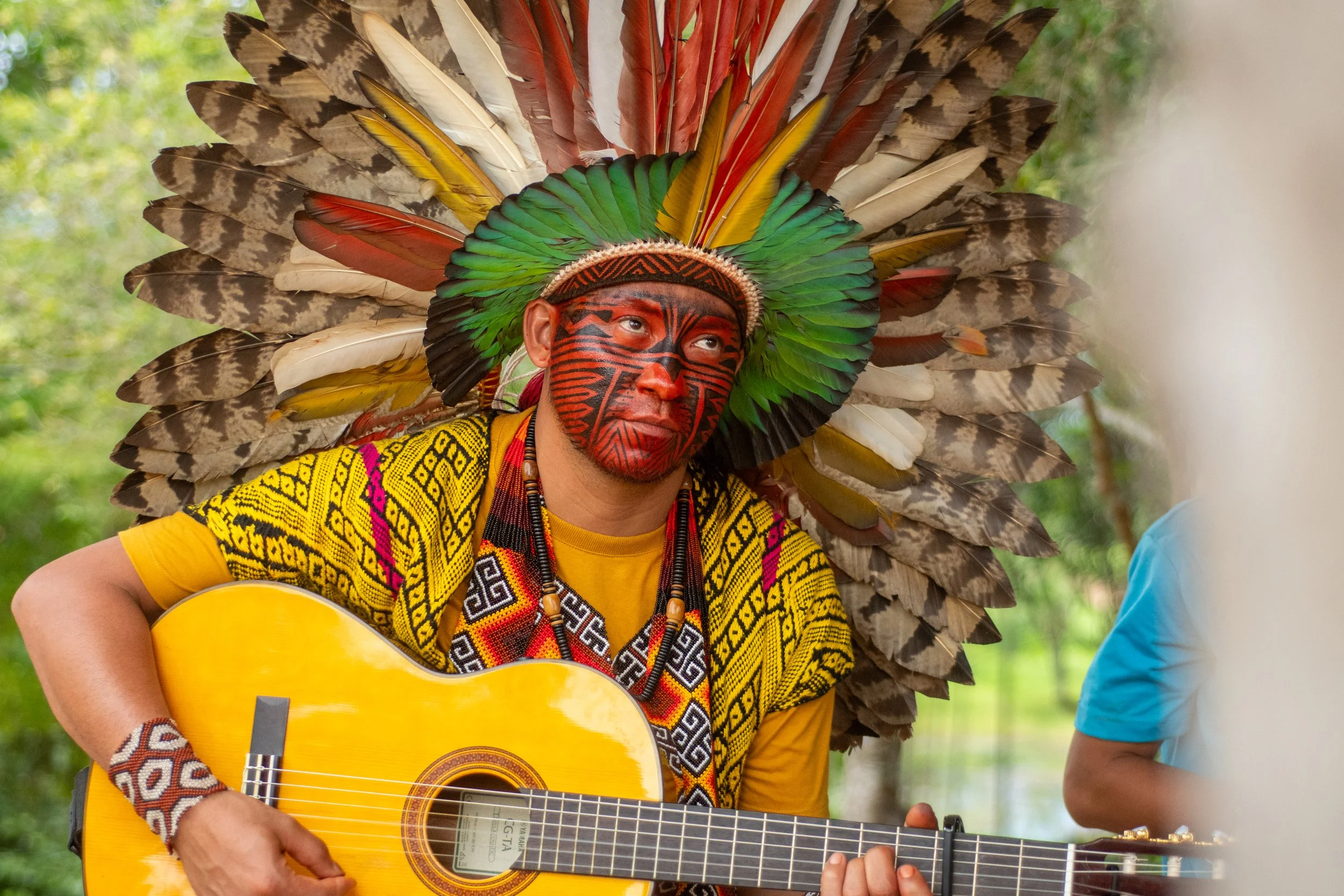
Huni Kuin — Huwa Karu Yuxibu Institute (Acre, Brazil)
Led by Chief Mapu Huni Kuin, this 2,450-hectare Indigenous reserve and its educational centre blend tradition, ecology, and leadership to protect the Amazon and empower future generations.
Oni Nete Institute — Shipibo-Konibo (Ucayali, Peru)
Led by don Mateo Arevalo Maynas and his family, this local traditional center is dedicated to intercultural education, ethnobotanical reserves, traditional dietas and Shipibo rituals.
Céu do Mapiá & Colónia 5000 (Main Santo Daime Communities)
Intercultural training programs and visits, biocultural expeditions, Ecohealth initiatives with local institutions, Sustainable Ethnobotanicals Research Programme (SERP) and initial Ethnobiomedical studies.
Federal University of Acre (UFAC, from 2027)
Working in collaboration to create a joint research team in biocultural restoration projects and the creation of intercultural ethnobiomedicine treatment protocols.
Casa das Culturas — Rio Branco City
An intercultural and educational hub for amazonian art & bioculture exhibitions, workshops, and research activity; A Ponte’s primary urban base and multimedia productions HQ, in synergy with indigenous and local communities.
“Our knowledge is our identity”
— Mapu Huni Kuin
Our Approach
Ethnobiomedicine
Ethnobiomedicine is a transdisciplinary field linking ethnobiology, medical anthropology, neuroscience, integrative medicine, and biocultural ecology. It recognises that wellbeing emerges from coherent relationships between body, territory, memory, community and environment.
Our purpose is to activate biocultural and integrative health models that reconnect people, ecosystems, cultures and knowledge systems. Our approach blends Western clinical protocols, Indigenous and local traditional healing systems, environmental science and participatory research—ensuring that all programmes are communitary rooted, culturally respectful, scientifically grounded, safe and with regenerative impact
The “Bridge” Principle
In various Indigenous traditions, including the Andean Chakaruna, the bridge is a symbolic figure that facilitates relationship, integrity and reciprocity between worlds. A Ponte uses the bridge metaphor solely as an ethical compass—never as a cultural appropriation or claim to traditional roles. Our duty is to support dialogue, protect boundaries and ensure that knowledge travels with consent, humility and clarity.


The Four Pillars
The Four Pillars articulate the operational philosophy of A Ponte Ethnobiomed. They serve as a practical compass for designing interventions and as a conceptual framework capable of uniting diverse actors across bioregions.
-
Supporting community-led and Indigenous-led processes to establish and steward ethnobotanical reserves, protected areas, ancestral territories, community forests, and cultural landscapes. This includes governance strengthening, FPIC protocols, land stewardship agreements, cultural continuity initiatives, intergenerational leadership, and mapping of visible and immaterial territories.
-
Long-term ecological and intercultural strategies to regenerate critical ecosystems through: native reforestation, watershed protection, agroforestry models adapted to cultural and ecological realities, biodiversity corridors, fire prevention and environmental brigades,soil restoration and regenerative agriculture, climate adaptation planning for vulnerable bioregions.
-
We help develop educational ecosystems that bridge ancestral knowledge and contemporary science. This includes:
the Academia Biospherica Alliance (global intercultural field school),
long-term research residencies,
ecological leadership programmes for youth,
cross-continental pedagogical exchanges,
experiential and place-based training,
Intercultural and ethnobiomedical curricula.
-
Rooted in ethical principles of fairness, transparency, and community benefit, this pillar supports:
bioeconomic value chains based on native species,
Indigenous and community-led enterprises,
regenerative agriculture and forest-product systems,
Ecotourism and ethical markets,
benefit-sharing frameworks aligned with Indigenous rights.
Impact Model
Our impact model ensures transparency, accountability and long-term relational integrity.
Community impact: salaries, infrastructure, health, regeneration
Institutional development and operational sustainability
Partner stability: governance, training, continuity
What We Offer
Ethnobiomedicine Expeditions:
2-3 week integrative expeditions designed for participants seeking a deeper, structured process. Expeditions integrate traditional healing systems with modern scientific frameworks.
Research & Protocol Development:
Collaborative research initiatives bridging ancestral knowledge and contemporary science.
Traditional Shipibo and Huni Kuin Dietas:
Deep healing and learning processes guided by recognised Shipibo and Huni Kuin healers and sages, following strict dietary, ceremonial and ethical protocols.
Professional Training:
Modular training programmes and certifications in Applied Ethnobiomedicine for therapists, health professionals, researchers and facilitators.
Intercultural Retreats:
Small-group, context rich journeys with Indigenous Peoples and Local Communities in the Western Amazon.
Biocultural Regeneration Projects:
Community-led initiatives supporting the regeneration of forest and watershed systems alongside cultural continuity.