
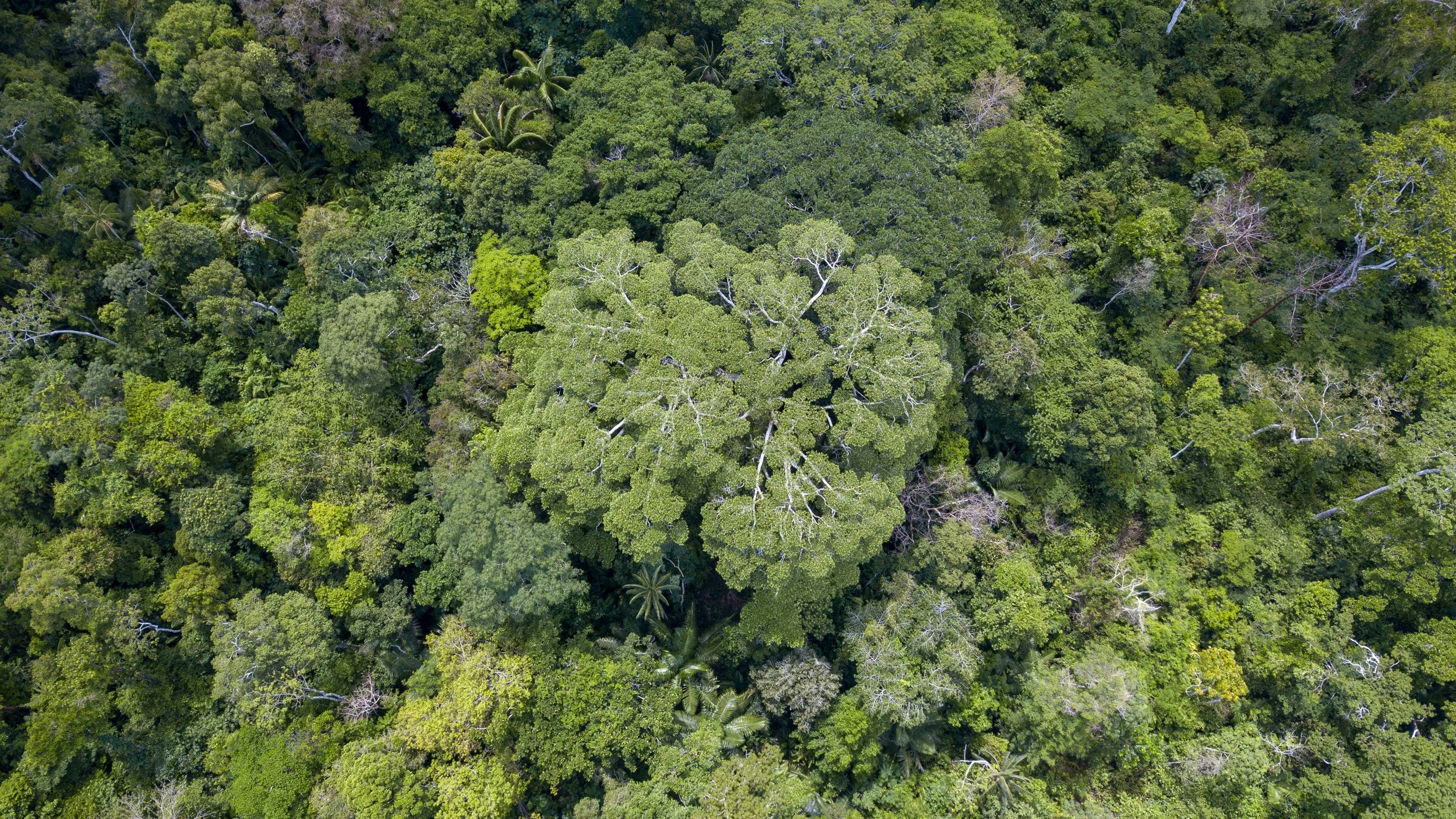
Bridging Indigenous Knowledge, Scientific Integrity & Regenerative Action
Human, cultural and ecological health evolve together. We build bridges that help these relationships thrive.
A Ponte Ethnobiomedicine develops integrative health programmes, biocultural restoration initiatives and regenerative Amazon expeditions in close partnership with Indigenous communities. Based in Rio Branco, Acre, Brazil, we are locally grounded and globally connected—working in alignment with the Nagoya Protocol and in deep respect for ancestral knowledge systems.
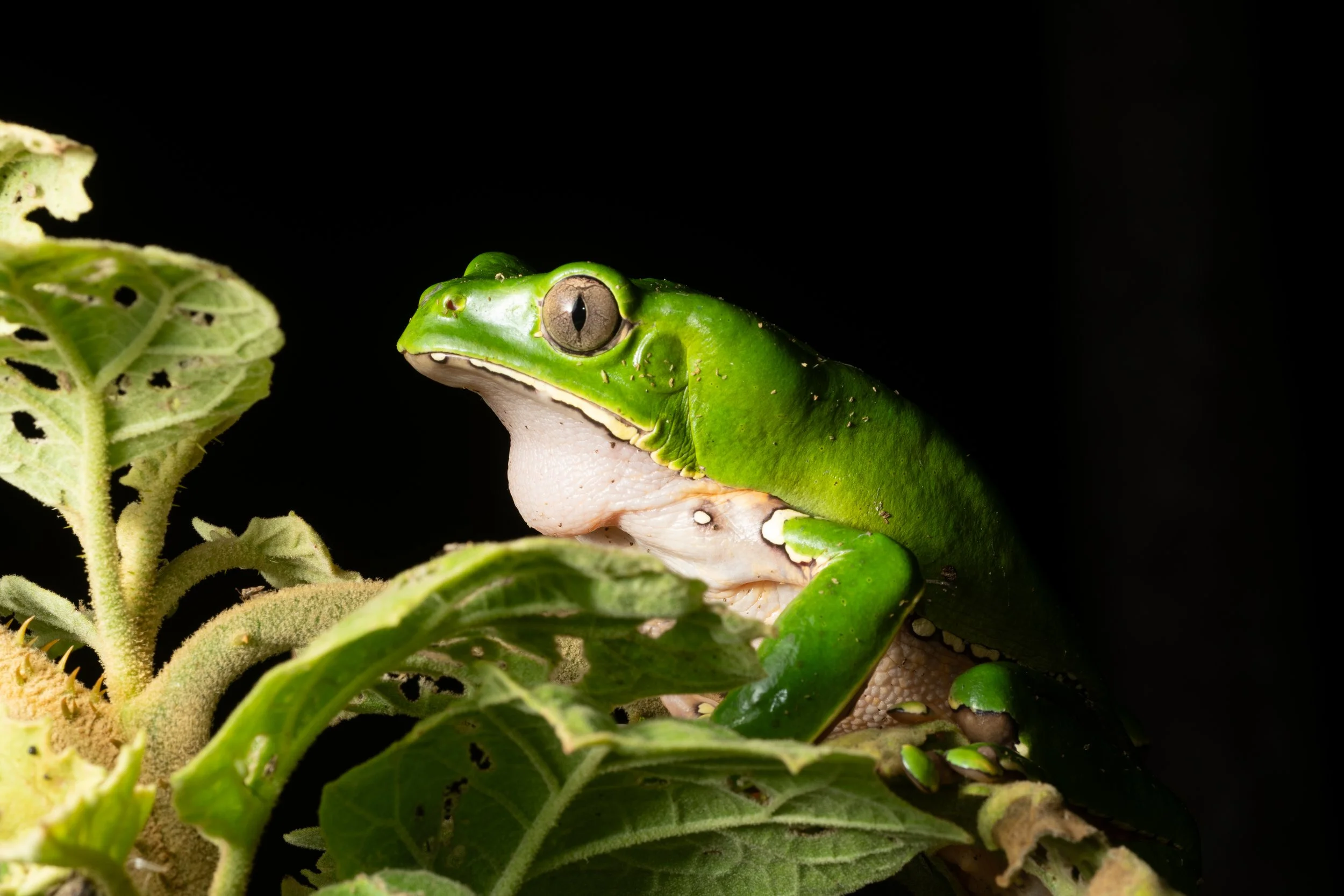
Our foundation is rooted in Amazonian understandings of relational life and in the scientific principle that complex systems require systemic care.

Our approach
Our purpose is to activate biocultural and integrative health models that reconnect people, ecosystems, cultures and knowledge systems. Our approach blends Western clinical protocols, Indigenous healing systems, ecological science and participatory research—ensuring that all programmes are culturally respectful, scientifically grounded, safe and regenerative.
-
We uphold the rights, governance systems and autonomy of Indigenous Peoples and Local Communities. All activities follow FPIC and community-led decision-making.
-
Resource flows, knowledge exchange and benefit-sharing follow transparent, non-extractive models.
-
Our work supports agroforestry systems, seed networks, ethnobotanical reserves, watershed protection and territorial monitoring.
-
We create intercultural learning spaces, training programmes and research collaborations that strengthen both Indigenous and academic worlds.
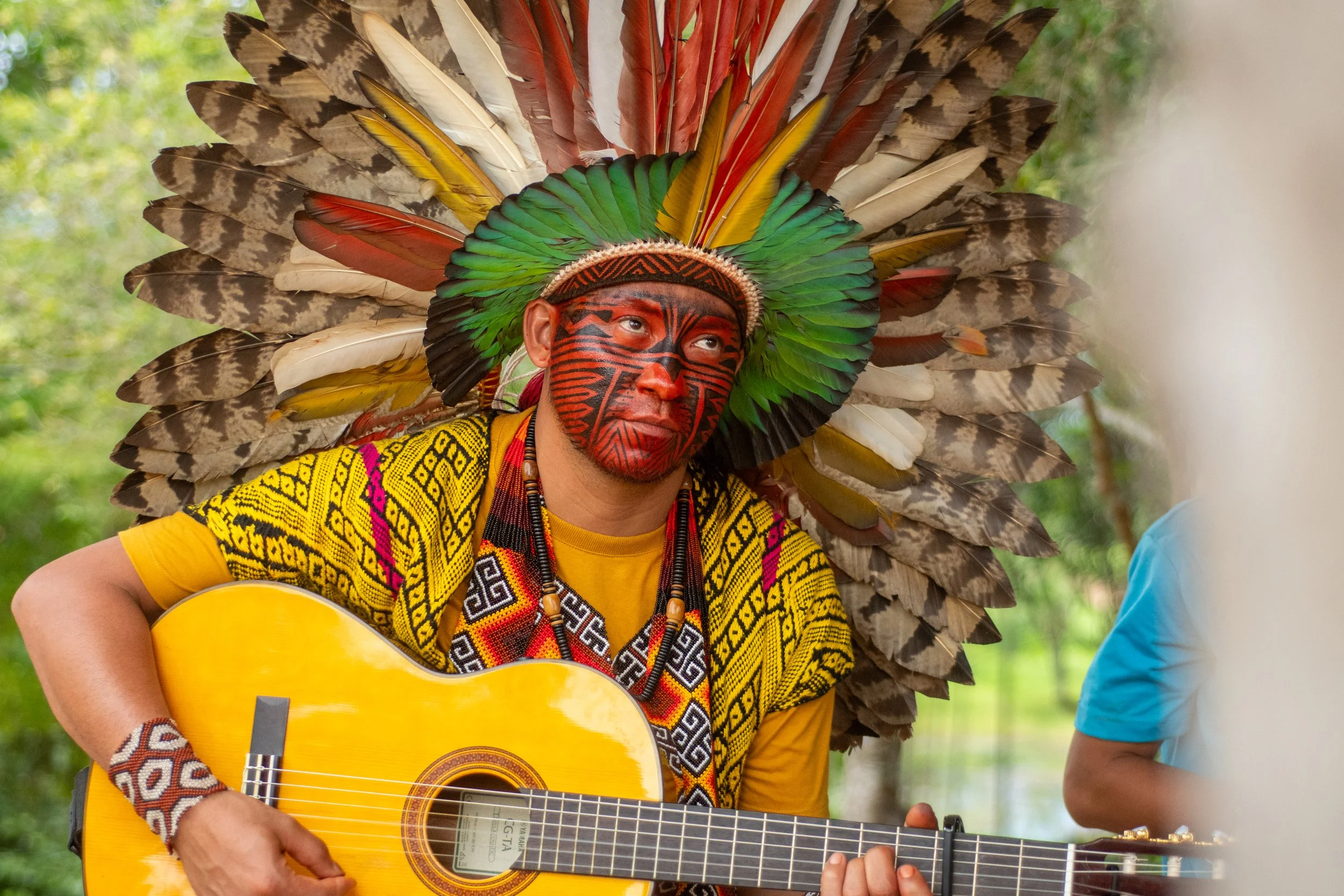
“This is going to be a cool quote, something nice”
— Quote Source
Where We Work
Huni Kuin — Huwa Karu Yuxibu Institute (Acre, Brazil)
Indigenous-led reserve (2,400 ha) with agroforestry, youth leadership training, ceremonies, ecological monitoring and community governance models.
Oni Nete Institute — Shipibo-Konibo (Ucayali, Peru)
Traditional dieta processes, ceremonies, ethnobotany, cultural revitalisation and training with Shipibo-Konibo elders and curanderos.
Céu do Mapiá & Colónia 5000 (Santo Daime Communities)
Sites of the Multifunctional Clinic, community health initiatives, sacred honey research, agroforestry projects and ethnobotanical gardens.
Federal University of Acre (UFAC)
Joint research in biocultural restoration, biodiversity, ethnobotany, safety protocols and the International Museum of Ayahuasca initiative.
Casa das Culturas — Rio Branco
A cultural and educational hub for exhibitions, workshops, training, gatherings and research activity; A Ponte’s primary urban base.
Regenerative Ecotourism & Intercultural Expeditions
Context-rich learning journeys that offer low-impact, respectful engagement with Amazonian cultures and ecosystems. Participants learn directly from Indigenous hosts through forest walks, cultural activities and (where communities choose) ancestral plant-medicine practices.
These journeys foster environmental awareness, community economies and cultural self-determination—without commercialising sacred practices or promising therapeutic outcomes.
We ensure:
local protocols are respected
experienced facilitators and cultural mediators
full preparation and integration guidance
clear safety guidelines
consent and boundaries at every step
Impact Model
Our impact model ensures transparency, accountability and long-term relational integrity.
33% – community impact: salaries, infrastructure, health, regeneration
33% – institutional development and operational sustainability
33% – partner stability: governance, training, continuity
FORMALITIES & LEGAL TRANSPARENCY
A Ponte Ethnobiomedicine is a legally registered organisation operating in compliance with Brazilian and international standards.
organisation type and registry details